
Restaurant Photography: How to Make Your Food Look as Good as It Tastes
You have spent months perfecting your menu. Your chef has obsessed over every dish. Your restaurant has a look, a feeling, an atmosphere that makes people want to come back.
And then you photograph it on a phone under overhead lighting and wonder why nobody is booking.
Restaurant photography done well is one of the most powerful marketing tools a hospitality brand has. Done badly, it actively works against you, making carefully crafted food look flat, cold, and unappetising.
I am a UK-based photographer who works with restaurants and food businesses across the UK. Here is exactly how I approach a restaurant shoot and what makes the difference between content that scrolls past and content that makes someone pick up the phone.
1. Light is everything and most restaurants get it wrong
The single biggest mistake restaurants make with their food photography is shooting under overhead lighting. It flattens everything. It creates unflattering shadows, washes out colour, and makes even the most beautiful dish look like a canteen meal.
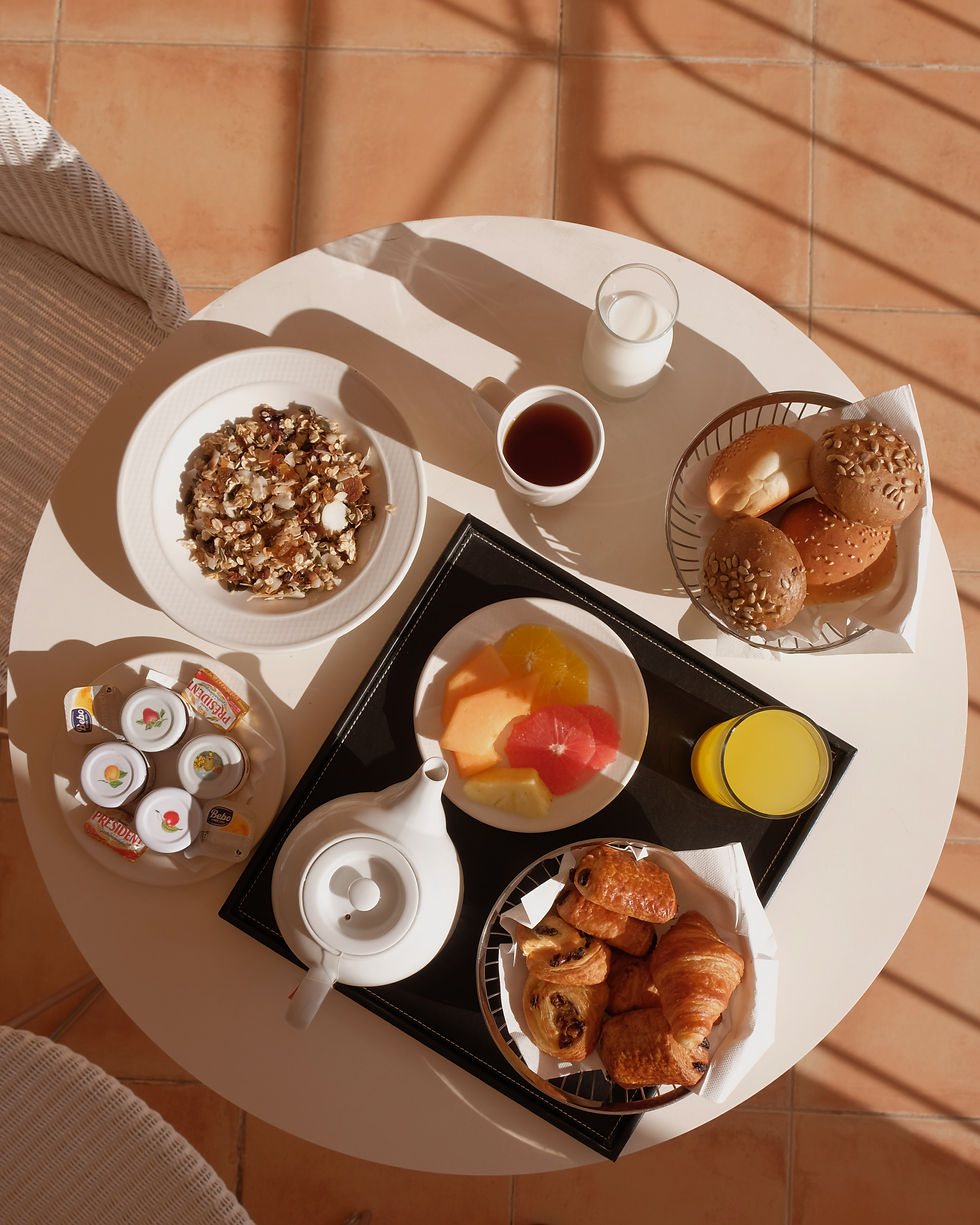
Natural window light is your best friend. For bright, airy restaurant content, the kind that feels fresh, inviting, and real, I always shoot close to the largest windows during daylight hours. I turn off overhead lights entirely. The difference is immediate and dramatic.
If your restaurant is darker and moodier by design, candlelight and warm ambient lighting can work beautifully, but it requires a different technique, longer exposures, and careful editing to keep the warmth without losing the detail.
Good restaurant photography starts before the camera comes out. It starts with understanding what the light is doing.
2. Where you sit matters more than what camera you use
Before I set up a single shot, I walk the restaurant and find the light. I look for tables where natural light falls at an angle, not straight overhead, not directly in front, but side on. That directional light is what gives food dimension, texture, and depth.
I always book a table by the window for shoot days. If that is not possible, I bring portable diffused lighting that mimics the quality of natural light without the harshness of a flash.
The location within your restaurant matters too. A tight corner shot with beautiful brick or plaster in the background tells a completely different story to a wide shot of the full dining room. Both are useful but they serve different purposes in your content library.
3. The shots every restaurant actually needs
Most restaurants come to me with a vague brief: we just need some nice food photos. But a complete restaurant content library needs several distinct types of image, each doing a different job.
• The hero dish shot, close, appetising, showing texture and colour. This is the image that stops a scroll.
• The table setting shot, slightly wider, showing the full spread, the crockery, the glassware. This sells the experience, not just the food.
• The detail shot, a hand reaching for bread, a pour of wine, a garnish being placed. These create movement and make your content feel alive.
• The interior and atmosphere shot, the room itself, showing the light, the texture, the mood. This is what makes someone book before they have even seen the menu.
• The lifestyle shot, real people or well placed hands and gestures in the space. Empty restaurants, however beautiful, do not convert as well as spaces that feel inhabited.
A strong brand shoot covers all five. Most phone photography covers, at best, the first one and not always well.

4. The edit is where it all comes together
Consistent editing is what separates a collection of nice photos from a cohesive visual brand. If some images are warm and golden and others are cool and clinical, your Instagram grid looks disjointed and your brand feels uncertain.
I edit every restaurant shoot to a consistent colour palette. For bright, airy content, that usually means lifted shadows, warm midtones, and clean whites that do not tip into overexposed. The food should look like it tastes, rich, vivid, and real.
I also shoot in RAW format, which gives far more flexibility in post production than JPEG, especially important in tricky restaurant lighting conditions where you cannot always control everything.
5. What great restaurant photography actually does for your business
I want to be direct about this, because it matters: professional restaurant photography is not a luxury. It is a business decision.
Your website, your Google listing, your Instagram, your press coverage, all of it depends on visual content. When a potential customer finds you online, your photos are the first impression they form. They are deciding, in seconds, whether your restaurant feels like their kind of place.
I work with restaurants across London and the UK to create content that does exactly that, bright, airy, appetising imagery that reflects the care and craft you put into every plate.
The best restaurant content makes someone hungry before they have even read the menu.
Work with me
If you are a restaurant owner or hospitality brand looking for photography that fills tables, I would love to hear from you.
Get in touch here
Or send an email to hello@medicreation.co


Comments